# Design Nudges --- ### Heuristics and Biases * Incomplete information * Asymmetric Information * Anchoring * Loss Aversion * Framing Effects * Hyperbolic discounting * Optimism Bias * Post-completion errors * Status Quo Bias --- ## Nudge * Strong paternalism (rules, laws) * Soft paternalism (nudges) * Libertarian self-regulation (market) <div>“any aspect of the choice architecture that alters people’s behavior in a predictable way without forbidding any options or significantly changing their economic incentives.”</div><!-- .element: class="fragment fade-in" data-fragment-index="1" --> --- ## Dimensions of Nudges * Controlling **Information** * **Presentation** and framing * Setting **Defaults** * Changing **Incentives** * **Reversibility** and error resiliency * Controlling **Timing** --- ### Controlling Information * User Education * Real-time feedback Note: Education Examples: * Photo sound that phones make (privacy) * Icons for Google Chrome (security) Feedback examples: * Password meters * Showing who has requested location info * How many other people have blocked cookies --- ### Presentation and Framing * Framing Effects * Ordering and Saliency * Availability Heuristic * Structure Note: * Framing: Loss vs. Gain, exaggerating risks * Ordering: Anchoring and adjustment * Availability (e.g. we floor with silhouette of someone slipping) * Structure: how to make decisions * Progress bar on profile pages Examples: * Wording for control influences sharing of info * Pay for Android apps with privacy settings -- depends on other options and price * Highlighting a post's audience affected Facebook sharing (in 2014) --- ### Defaults * Status Quo bias * Assumption of design competence (limited effort) * Opt-in vs. Opt-out Note: * Newsletter checked vs. unchecked, wording changes -- defaults kept most of time * "Do not track" -- on by default? websites stopped honoring it * Mass defaults vs. personalized defaults --- ### Incentives * Rewards for secure/private behavior * Punishments for insecure/non-private behavior * Increases costs / difficulty Note: * HOV lanes reward good behavior * Virtual badges, giving access to features, etc. * Making speecific configurations difficult (punishment) --- ### Reversibility and Errors * Cooling off period * Automated completion * Provide an "undo" option Note: * Example: lights in your car (lights are a 2ndary task) * Provide an undo option in gmail, facebook * Request undoing a personal tag on facebook --- ### Timing * When users are in a "Hot" state, make bad decisions * When notices / nudges get displayed Note: * Social media sobriety test * Blocking use at certain times * View notices just before/during decisions? --- ### Nudging Away from Security/Privacy * Choices always have architecture! * There is no "neutral" option Note: Sometimes ambiguous, though. --- ### Ethics of Nudging * Should we nudge at all? * Toward what outcoomes? * Who should decide? Note: * Are the resulting nudges ethical? * Correcting "irrational" decisions? * Minimizing regret? * Aligning behavior with stated preferences? * What is too much of a nudge? --- # Design for Privacy --- Much privacy design involved nudges Why? --- ## Cookies --- ### GDPR Cookie Notice All webpages that use cookies in the EU must display a notice that contains: * a clear explanation of what cookies are used for * the purposes for which they will be used * the name(s) of any third party companies providing cookies, and * an indication that cookies can be refused, and how to do it --- 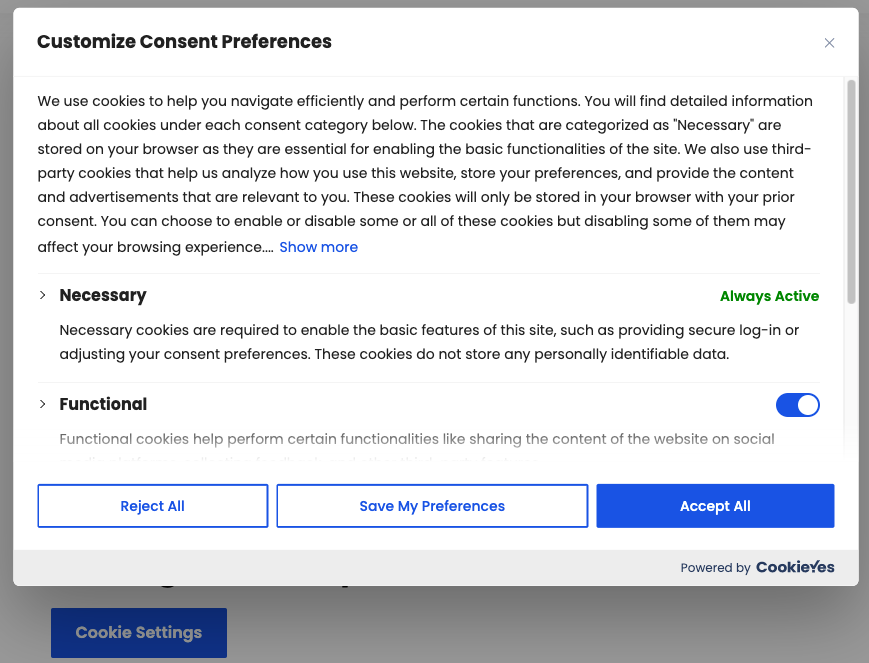 --- 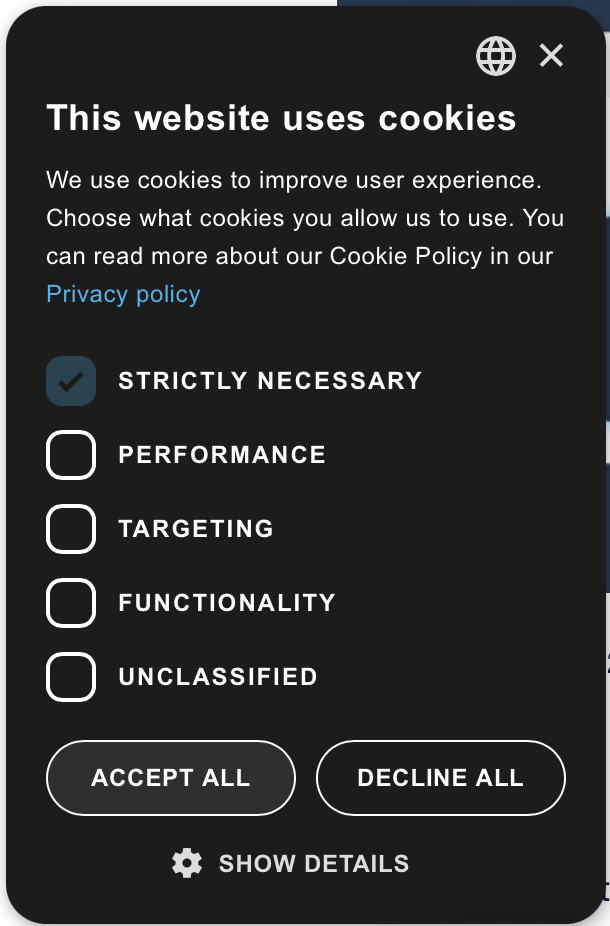<!-- .element height="650" --> ---  --- 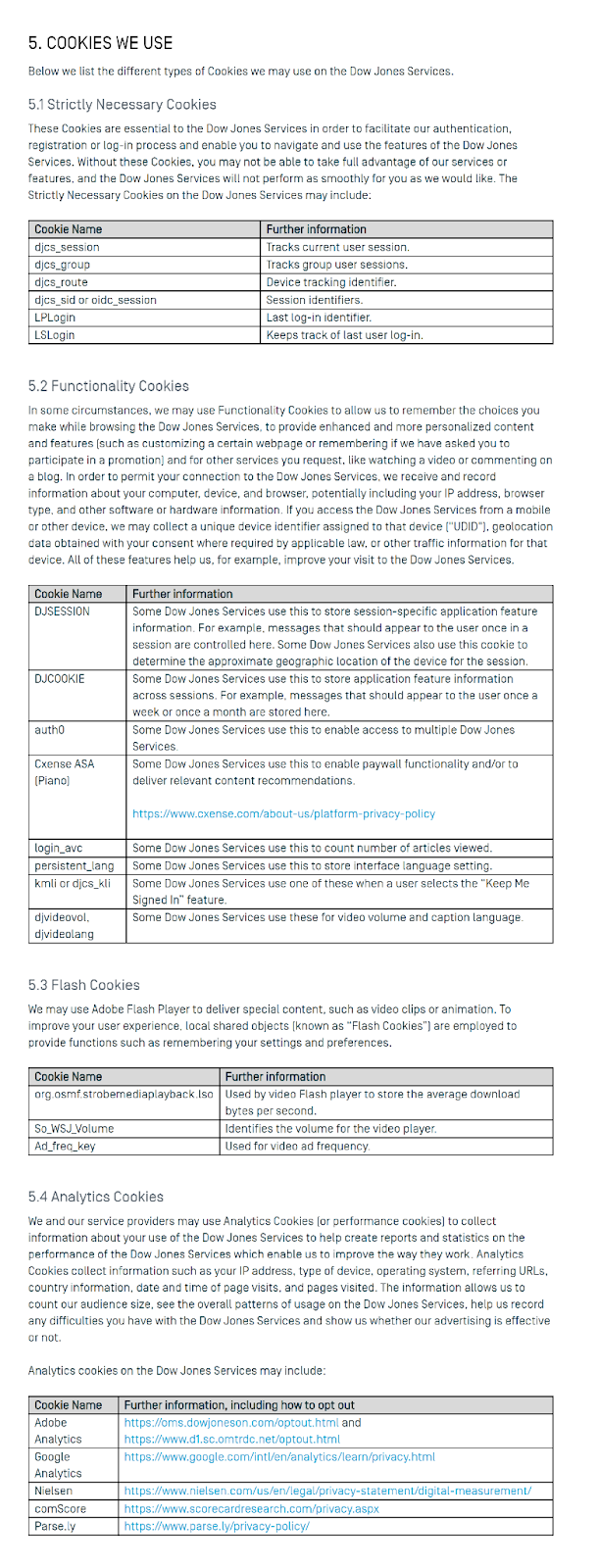 ---  --- 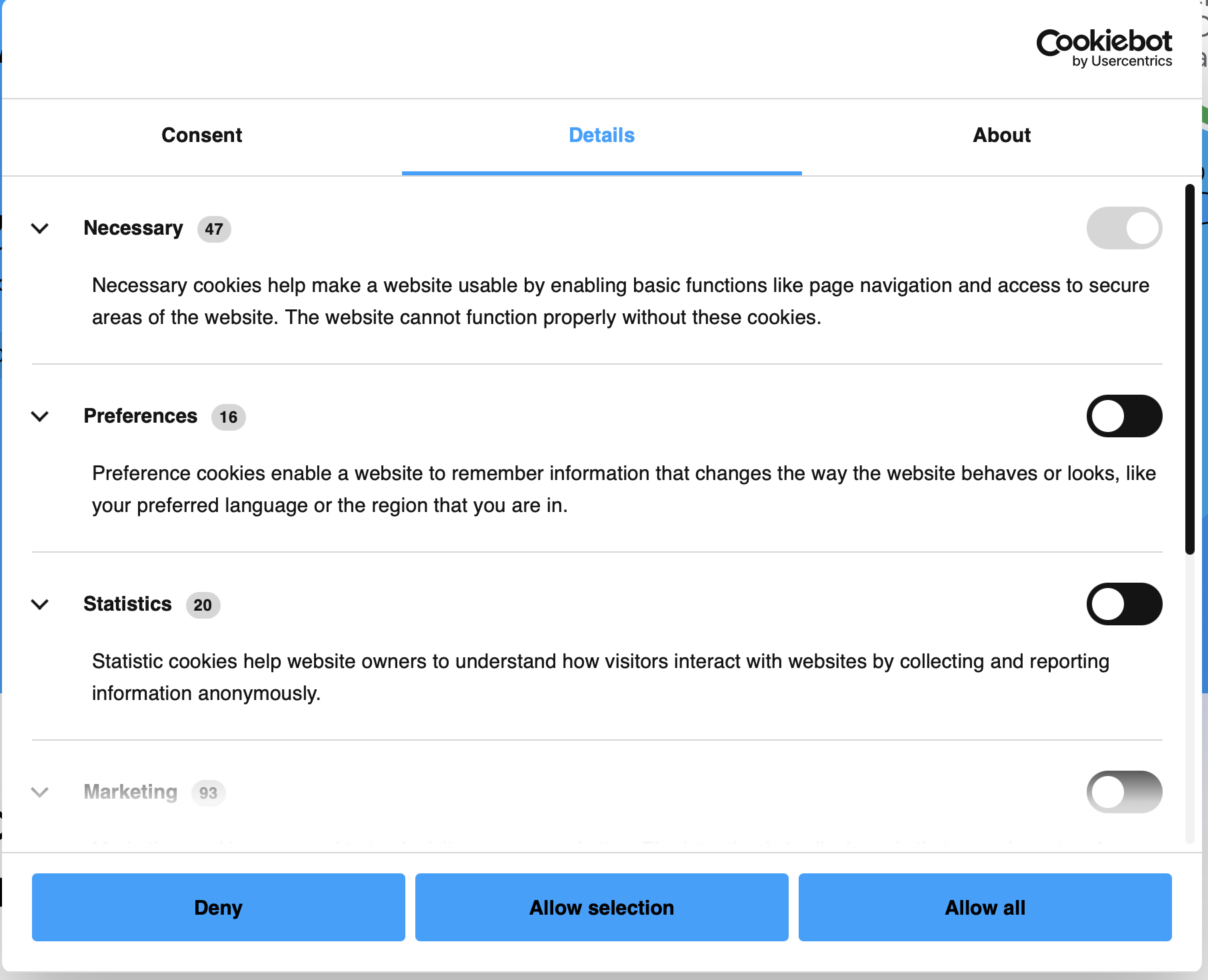<!-- .element height="650" --> --- 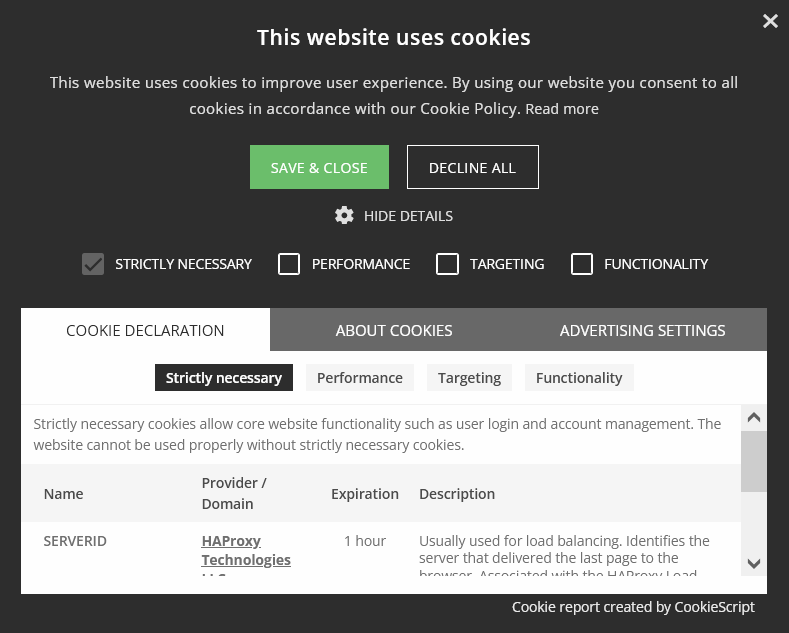<!-- .element height="650" -->