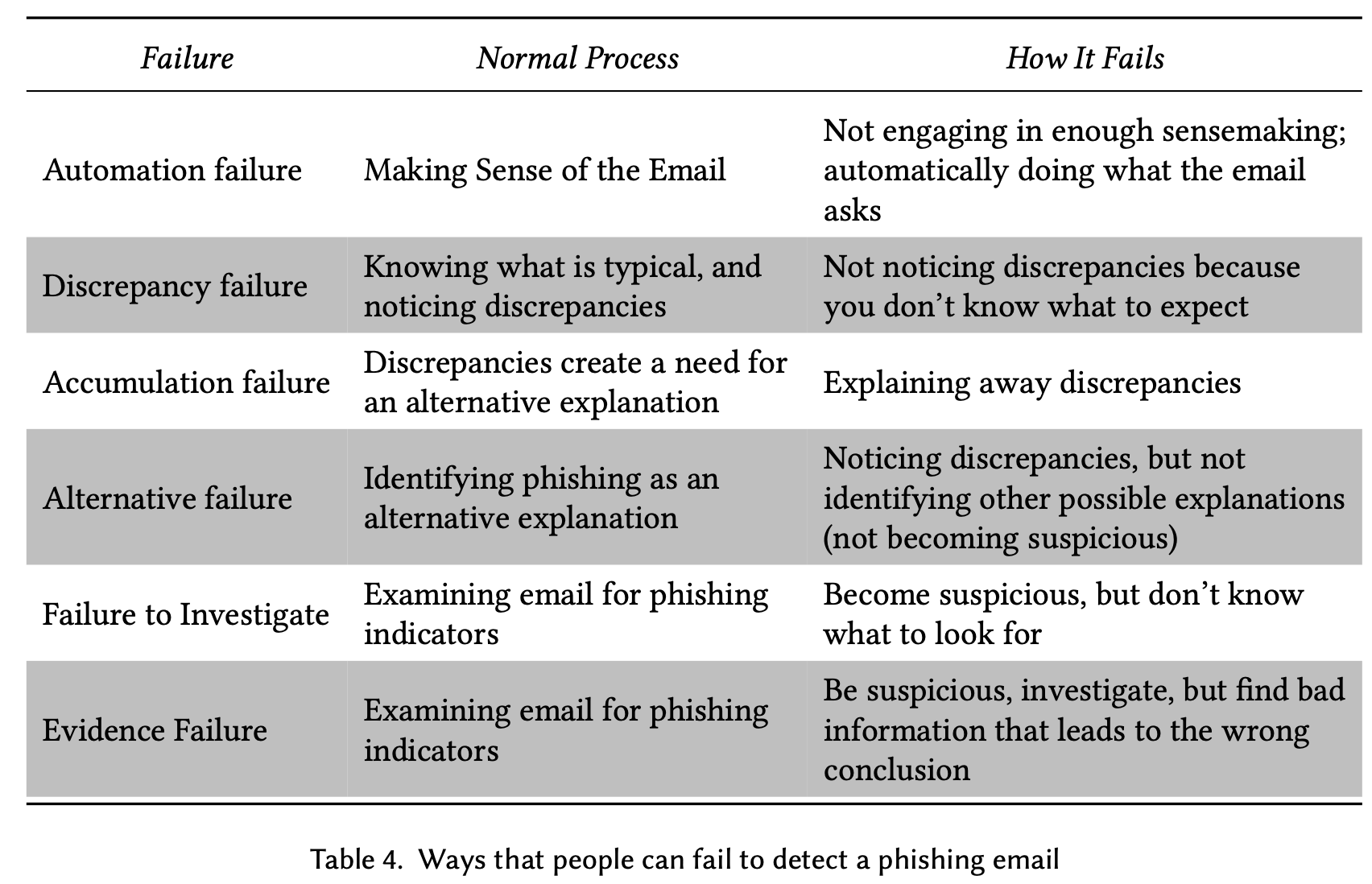
# Phishing --- ## Phishing is bad A communication (email) that pretends to be something that it is not in order to get the recipient to do something that they otherwise wouldn't be willing to do --- ## Why Phishing is Hard to Stop * Email is how we communicate with people we *don't* have a relationship with * If we swtich to something else, phishing will move there too * If we can detect it technically, we eliminate it * Only difficult ones get through * Adversaries are constantly adapting and changing tactics ---  --- 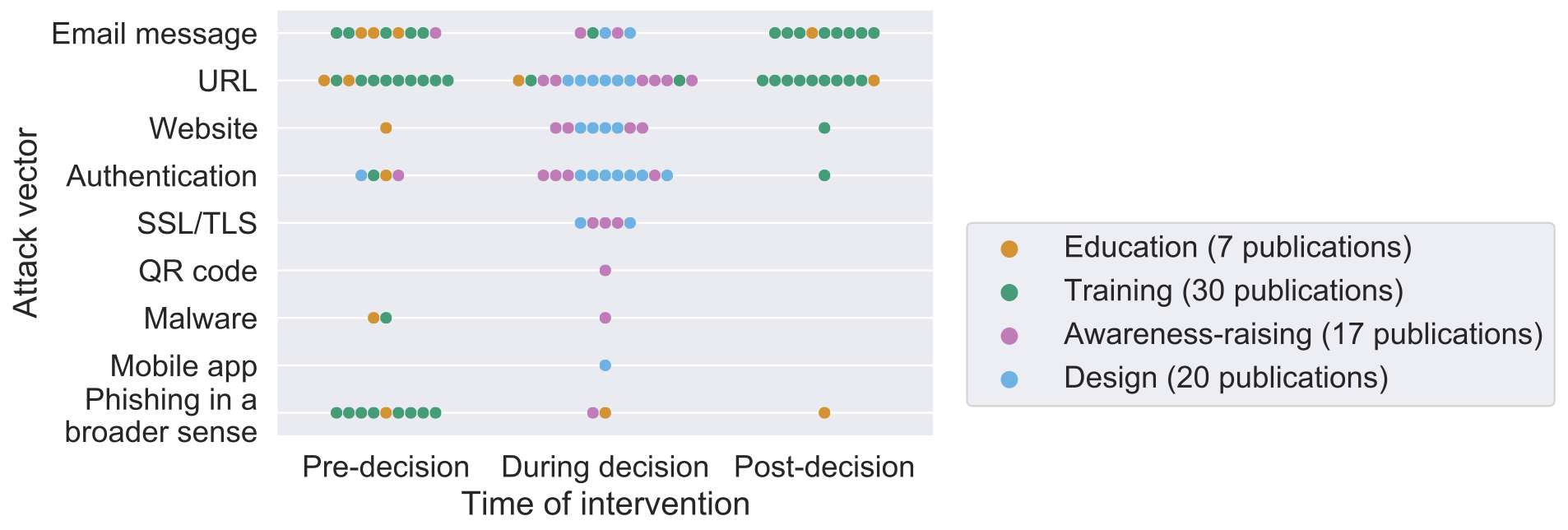 --- ## Simulated Phishing Send people "fake" emails, <br />"train" them if they click --- ### My Study * 2000 subjects, university employees * Send 4 emails, spread over time * Training received only if they click Note: * 0, 2, 7, and 42 days * 4 different emails * 5 counterbalanced orders --- 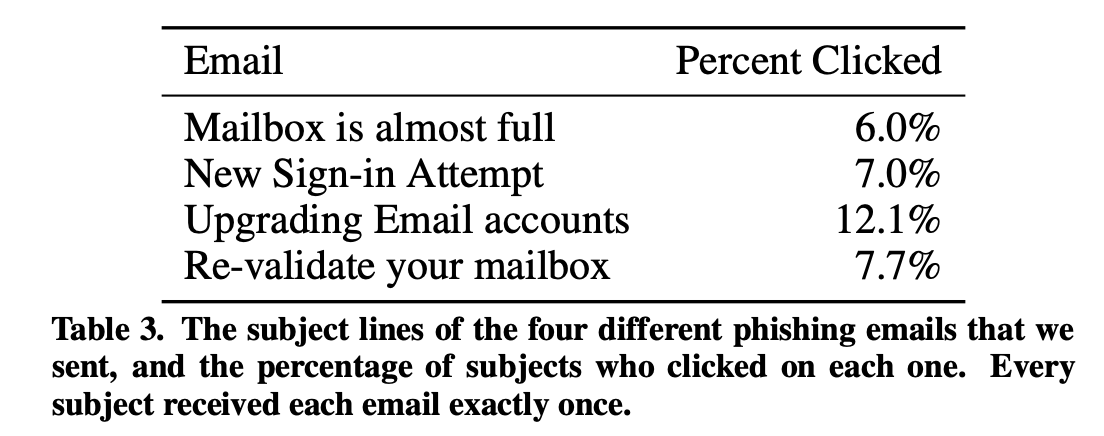 --- 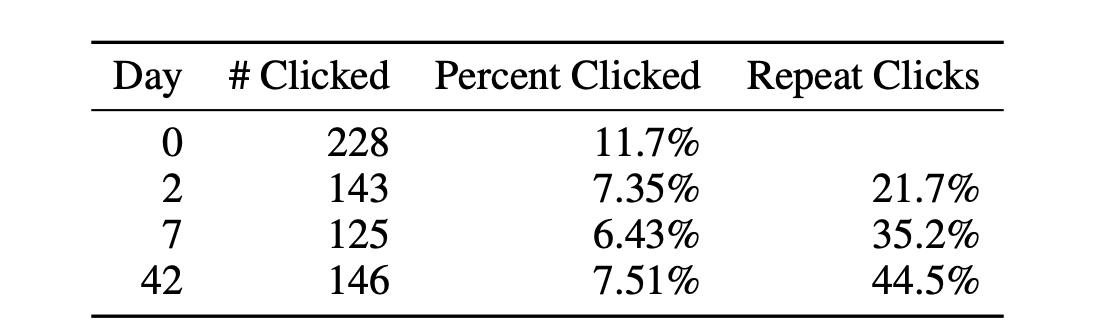 --- 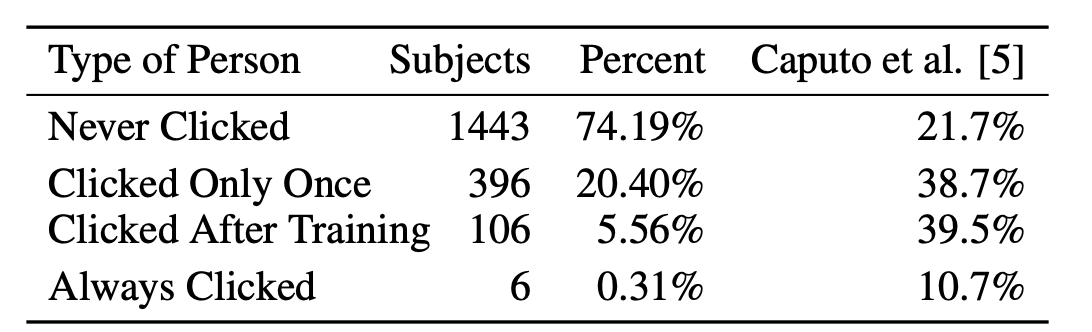 --- ### Experiment Source of Information * Expert * Person like me Type of Information * Facts and Advice * Story Control condition --- 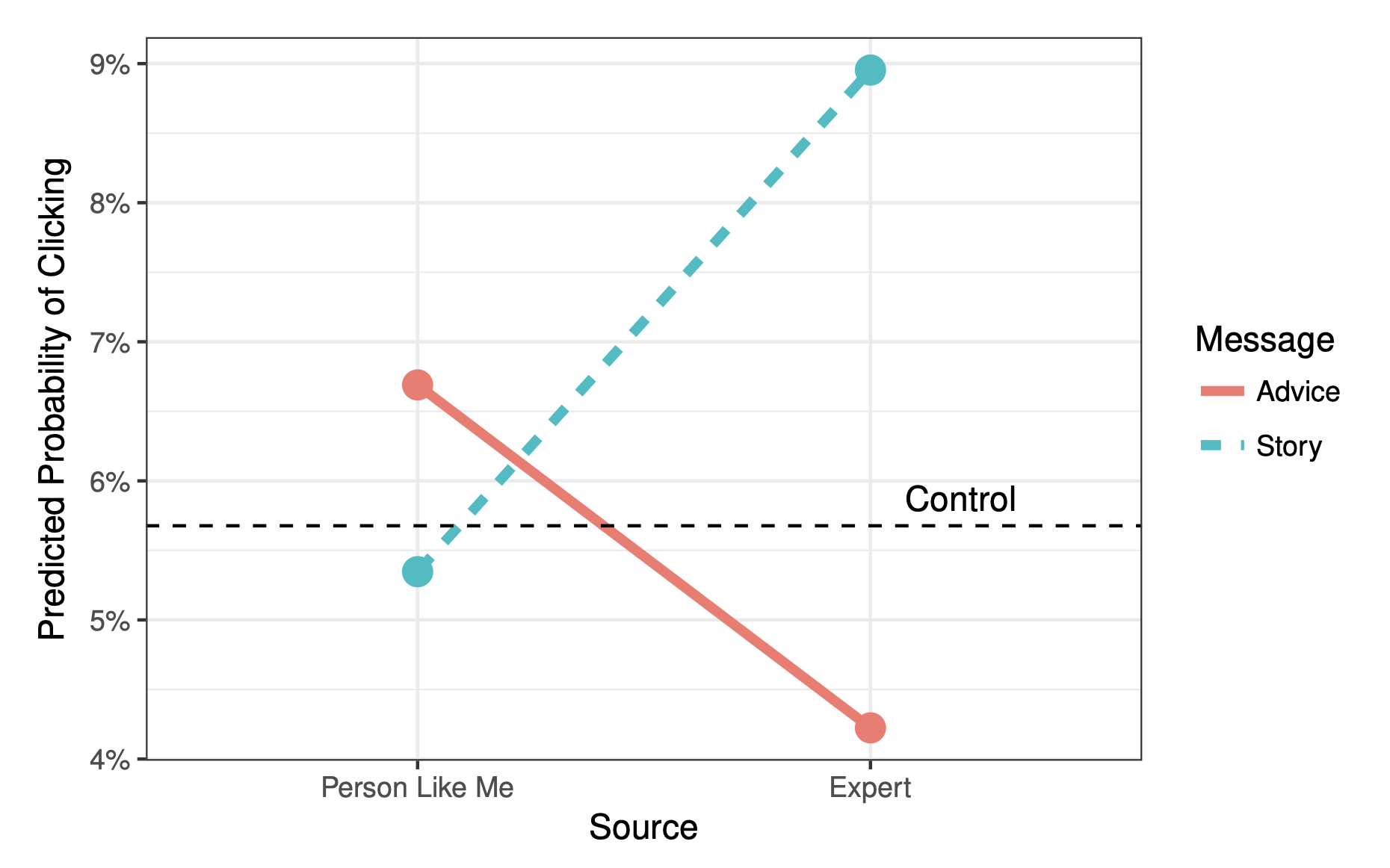 --- ### Lessons from Simulated Phishing * It works; people click less after receiving training * The effect wears off (quickly) * The training matters; engaging trainings work better than others --- ### Ethics of Simulated Phishing * Informed consent? * Have to do it frequently * Phishing is already fake. So simulated phishing is a fake fake * What are people learning? * This is lying to your employees * Affects IT -- employee relationship --- ## Designs for Phishing --- 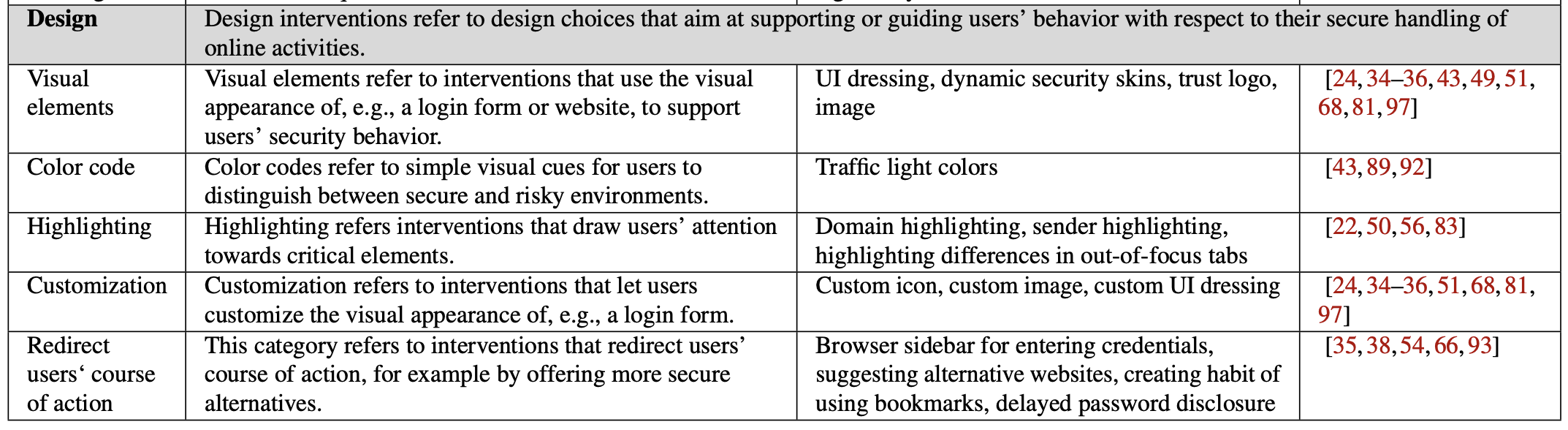 --- In-client design is mostly ineffective --- ## Understanding Phishing --- * Stage 1: Face value and Sensemaking * Stage 2: Suspicion -- two possibilities * Stage 3: Decision ---