# Designing Warnings --- 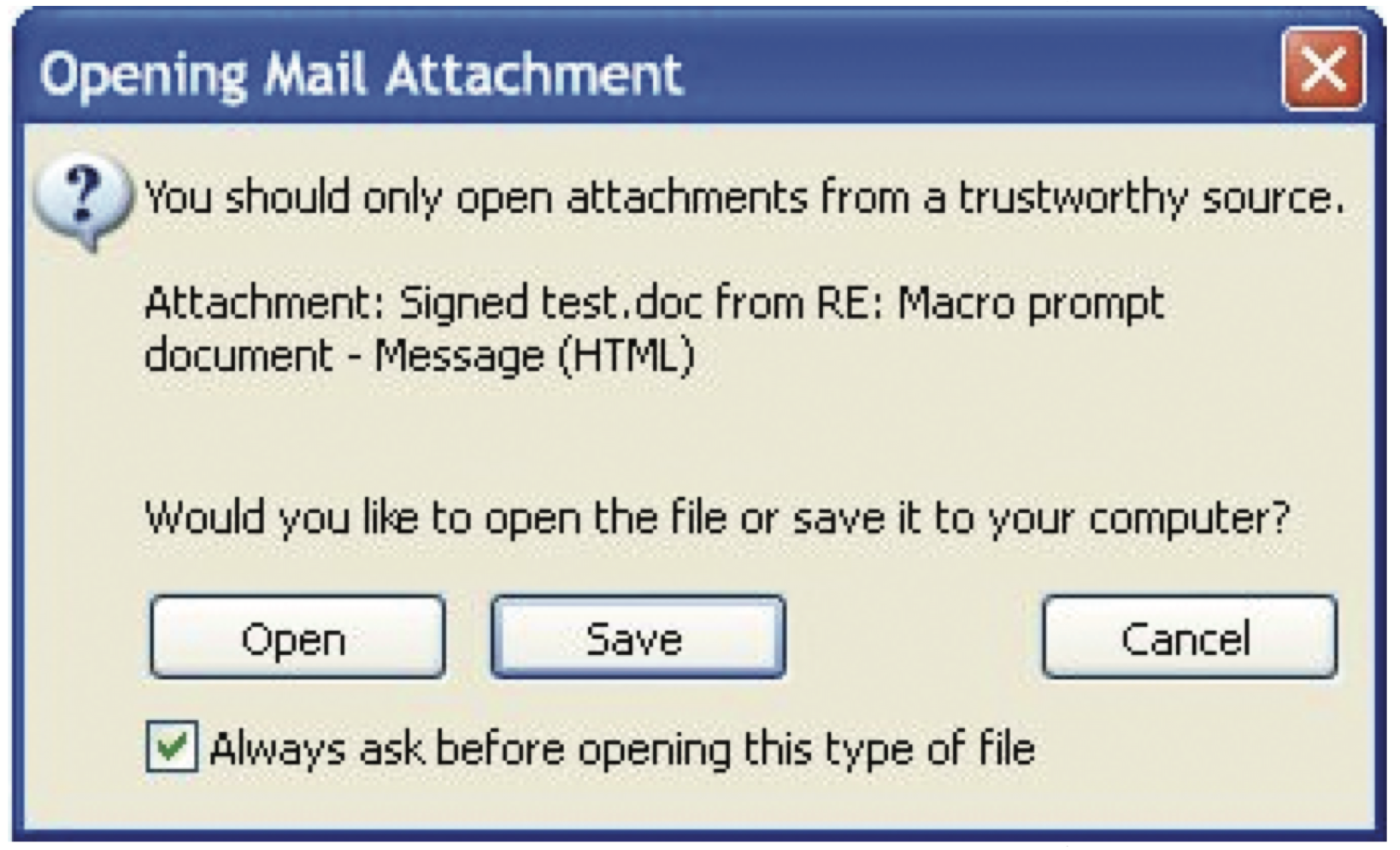 --- ## Warnings Communication designed to protect people from harm --- ### Minimum Warning * Risk * Consequences of not complying * Instructions to comply --- ### When to use a warning * Too dangerous to let people do it * Too safe / important to not let people do it * When the user has important information <!-- .element: class="fragment fade-in" data-fragment-index="1" --> --- ### When NOT to use a warning * When the programmer doesn't know what to do * When the company is trying to cover its A** --- ### Third Line of Defense 1. Design away hazards 2. Guard against them 3. Display a warning --- ### Timing of warnings When do you notify the user? * Too soon, and they forget * Too late, and they are in danger * Always, and they ignore * In time, and it is an interruption --- ### Challenges with Warnings * Information Overload * Habituation (Notice: problems occur *across* warnings, not just for a single warning) --- ### C-HIP Communication-Information Processing Model 1. Attention Switch: Do users notice the warning? 2. Comprehension: Do users know what they mean? 3. Comprepehsion: Do users know what they are supposed to do? 4. Attidues: Do they believe the warning? 5. Motivation: Are they motivated to take the recommendation? 6. Behavior: Will they actually do the action? 7. Environment: Do warnings interact with other warnings? --- ## Solutions --- ### NEAT Warnings * Necessary * Explained * Actionable * Tested ---  --- ### SPRUCE Explanations * **Source** of decision * **Process** to make a good decision * **Risk** of making a bad decision * **Unique Knowledge** of the user * **Choices**, with a recommendation * **Evidence** to help --- ### Active Warnings Warnings that move! 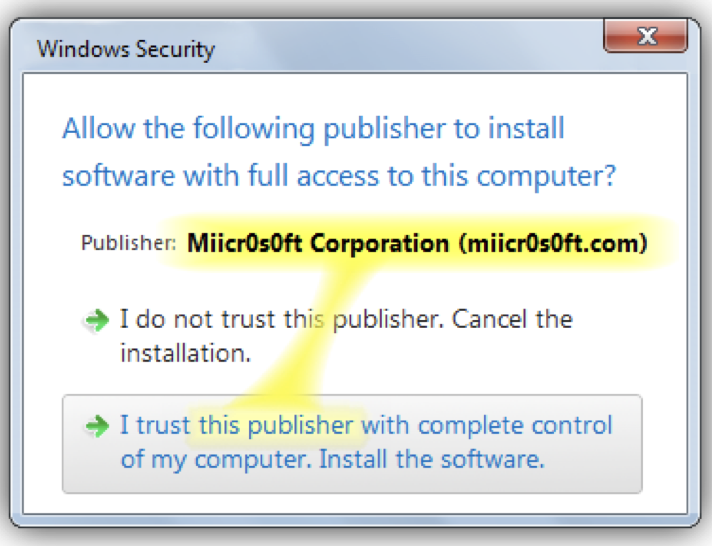 --- ## A Story about SSL Warnings Mozilla and Google's SSL Warnings --- 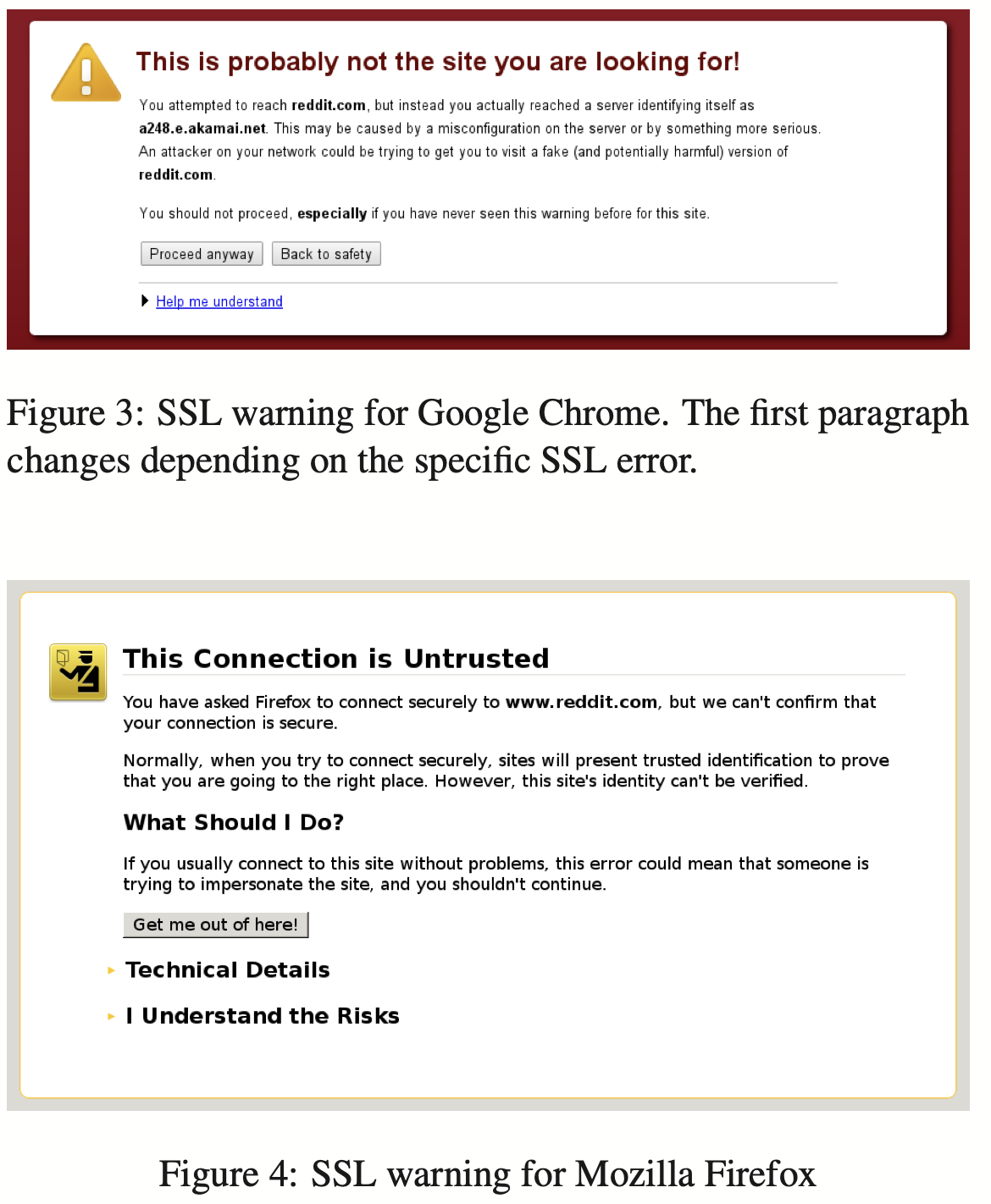<!-- .element height="650" --> Note: Akhawe and Felt found that Firefox’s SSL warning has a CTR of 33% whereas Google Chrome has a CTR of 70% --- 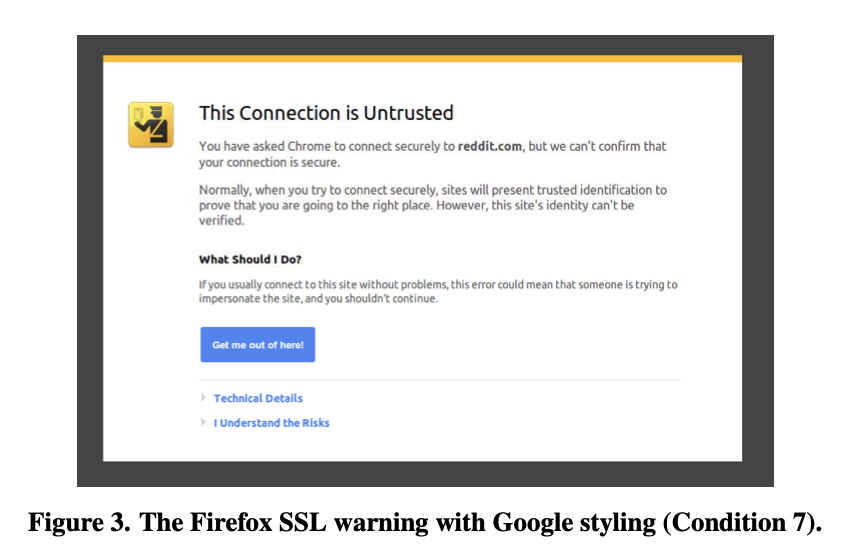<!-- .element height="650" --> Note: Participants clicked through 67.9% of default Chrome warnings (Condition 1) and 56.1% of mock Firefox warnings (Condition 5). Since all other factors were held constant, differences in the warnings’ appearances are responsible for 12 of 37 points. --- 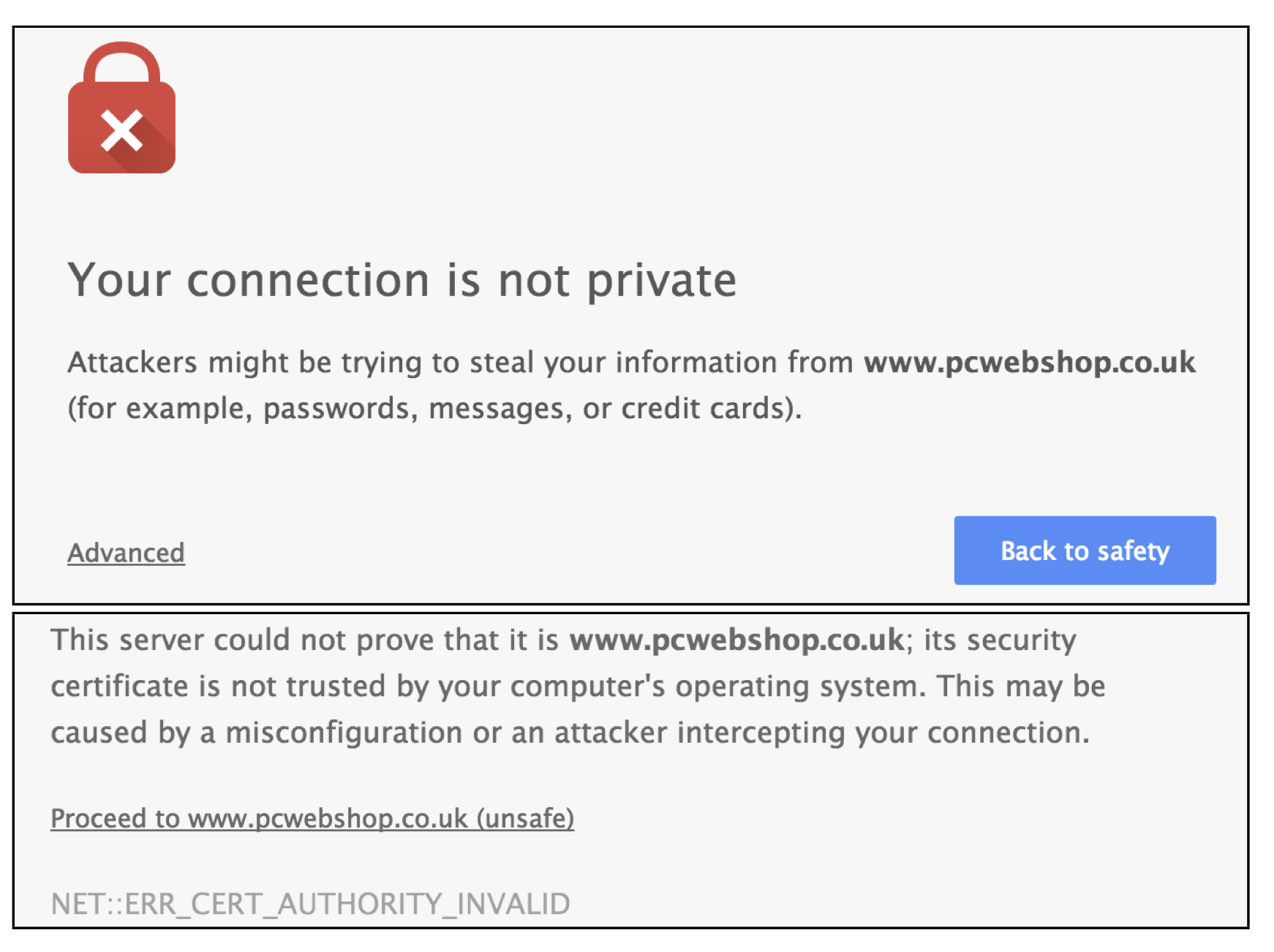 Note: 2-steps to go forward, "Back to Safety" 31% --> 58% compliance (so 42% unsafe) --- 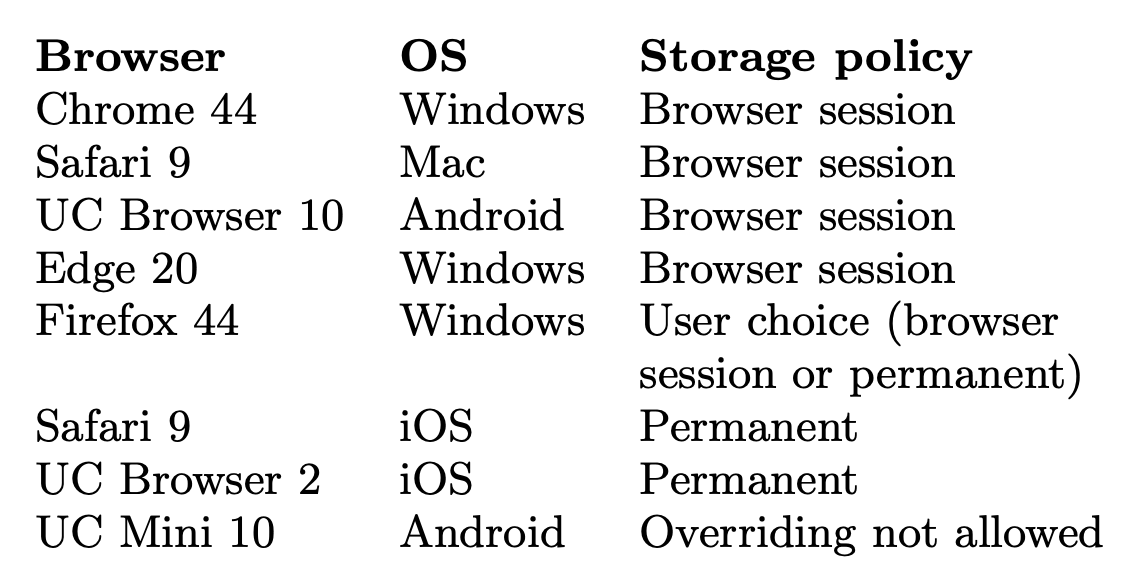 Note: Ultimately chose 1 week